Choosing the right padel racket plays a bigger role in your game than many players realize. The popularity of the sport continues to grow, and with over 35 million players worldwide across more than 150 countries, manufacturers have introduced new racket designs, materials, and technologies to meet growing demand.
With so many options available, it can be difficult to know which racket truly suits your playing style and skill level. In this guide, we break down the different types of padel rackets, explain how shape, weight, and materials affect performance, and help you choose the option that best matches your level.
Understanding padel racketshapes
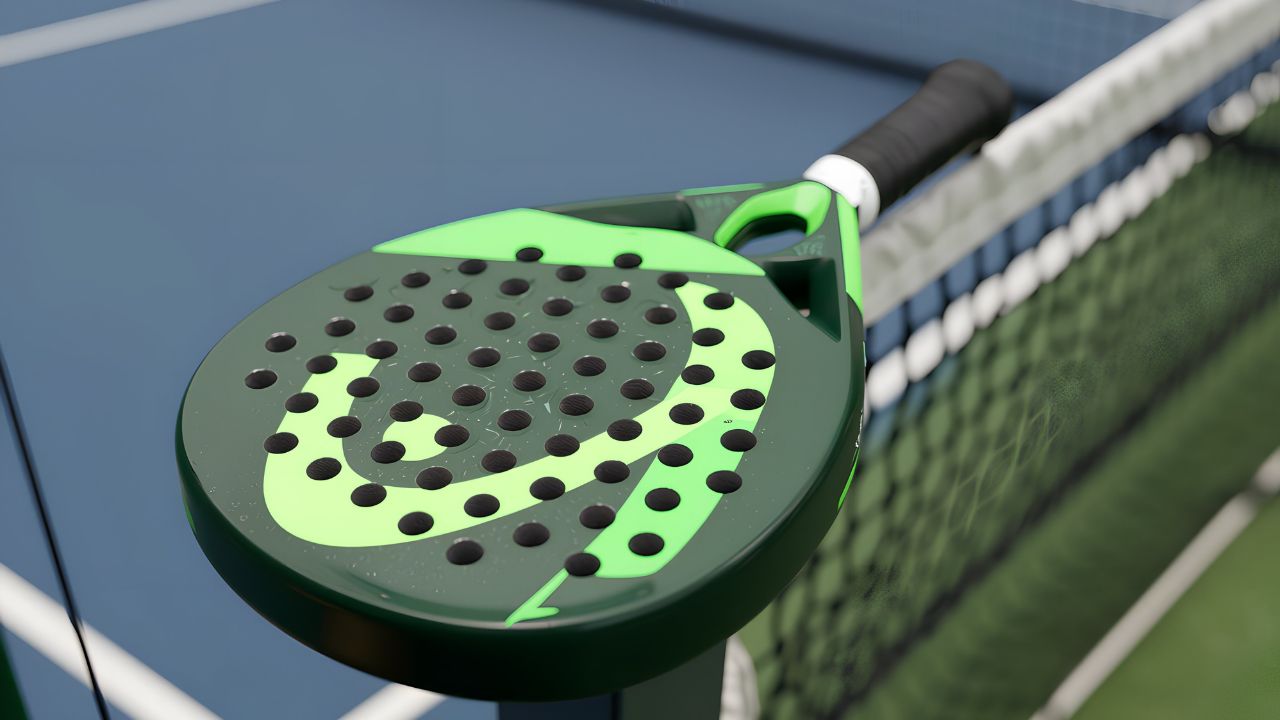
The shape of a padel racket plays a major role in how it performs on court. It affects the size and position of the sweet spot as well as the balance between control and power. Choosing the right shape for your level helps you play with confidence and consistency:
• Round-shaped padel rackets
offer the largest sweet spot and the highest level of control. Their forgiving design makes it easier to return shots cleanly and maintain longer rallies. This shape is ideal for beginners and developing players who are still building technique.
• Teardrop-shaped padel rackets
provide a balance of control and power. With a slightly higher sweet spot, they allow players to increase shot strength without sacrificing stability. This makes them well-suited to intermediate players progressing their game.
• Diamond-shaped padel rackets
are designed for power. The smaller, higher sweet spot rewards precise contact and enables more aggressive play. This shape is best suited to advanced and competitive players with consistent technique.
Padel racketweight — finding the right balance
Most padel rackets fall within a weight range of approximately 355g to 375g. Weight influences how the racket feels during play, affecting maneuverability, comfort, and shot execution.
Lighter rackets
are easier to handle and place less strain on the arm and shoulder. They support quicker reactions and are often preferred by beginners or players focused on comfort.
Heavier rackets
provide added power and stability but require sound technique to control effectively. Without proper form, extra weight can increase fatigue and injury risk.
Padel racketmaterials — what are they made of?
Material choice impacts vibration absorption, control on contact, and how long the racket maintains its performance over time. Racket faces are commonly made from fiberglass or carbon fiber. Fiberglass offers a softer, more forgiving feel, while carbon fiber provides a stiffer response, increased power, and greater durability.
The core is typically made from EVA rubber, with density influencing performance. Softer EVA improves touch and comfort, while denser EVA enhances power and responsiveness.
Remember: there is no one-size-fits-all padel racket
The best choice is the one that feels comfortable, suits your playing style, and supports how your game continues to develop.
As a guideline, beginner players should focus on comfort, control, and consistency to build confidence on court. Intermediate players benefit from balanced rackets that support skill development and versatility. Meanwhile, advanced players can choose rackets based on performance preferences for their type of play.
Find your next padel racketat Padel Pro
At Padel Pro, we take into consideration the importance of choosing the right padel racket for your game. We can provide clear, practical guidance on how equipment choices can support development and confidence on court.
Ready to play? Find a court at one of our Dubai locations, or discover our coaching and playing services. For enquiries about our training programs, court pricing, events, or anything else, feel free to get in touch.